
Optimizing Your Ads for Holiday Success

The holiday season is the most competitive time of year for advertisers, but also the most rewarding. Consumer spending surges, attention spans shorten, and competition for visibility reaches its peak. To succeed, brands must move beyond simply “running ads” — they must strategically plan, test, and optimize their campaigns to stand out amid the noise. Whether you’re a small business preparing for your biggest sales push of the year or a seasoned marketer managing large-scale campaigns, understanding how to strategically optimize your advertising is the key to maximizing performance and ROI during this high-impact season.

Start Early and Plan Strategically
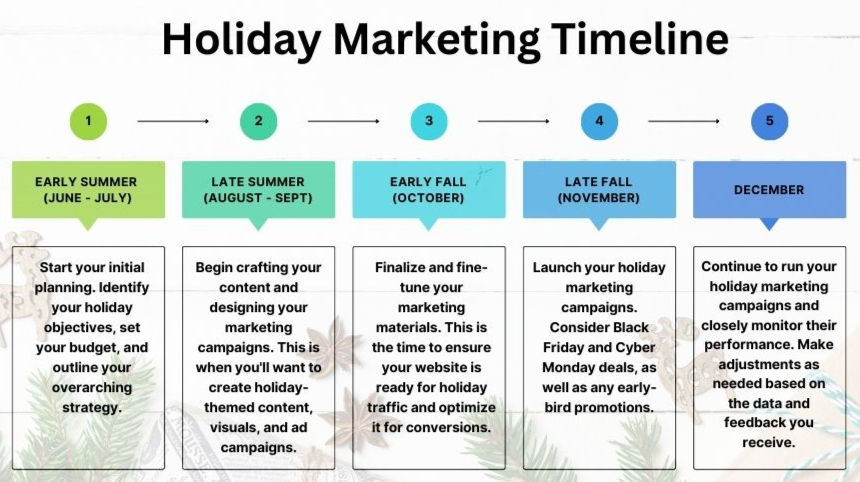
One of the biggest mistakes advertisers make is waiting until late November or December to launch their campaigns. Holiday shopping begins far earlier than most people realize — with many consumers browsing and even buying as early as September. This early start means that your campaigns, creative, and budgets should all be in place well before the holiday rush begins. An early start allows you to test different creative versions, messaging tones, and audience segments to see what resonates best before the competition and ad costs peak. It also gives you time to identify which offers convert most effectively. By building a campaign calendar that outlines when ads will launch, when budgets should increase, and which products or promotions will take center stage, you’ll ensure your campaigns roll out seamlessly and strategically rather than reactively.
Refine Targeting and Segment Your Audiences
Not every shopper behaves the same way during the holidays. Some plan months in advance, while others make last-minute purchases on impulse. Understanding these behavioral patterns allows you to segment your audience for more personalized and effective messaging. For instance, your loyal customers may respond best to exclusive early-access sales or VIP offers, while new customers may be more motivated by limited-time discounts or bundle promotions.
By segmenting your audiences — such as repeat buyers, cart abandoners, high-intent browsers, and new visitors — you can tailor both your ad creative and copy to meet their unique needs. Use your analytics from previous years to determine which segments were most profitable and where you saw the highest return on ad spend. This approach ensures that your marketing dollars are invested in audiences most likely to convert, while also improving ad relevance and click-through rates.
Align Creative with the Season While Staying On Brand
The holidays are an emotional time for consumers, which makes storytelling through visuals and copy more important than ever. However, while incorporating festive elements into your ads, it’s equally important to remain consistent with your overall brand identity. Too many brands overcompensate by making their ads overly seasonal, losing their unique voice in the process.
A balanced approach involves subtly weaving holiday elements — like color accents, lighting effects, or thematic imagery — into your existing visual identity. Keep your fonts, logo placement, and brand tone consistent so customers instantly recognize your ads. Additionally, focus your messaging around the values that resonate most during the season: connection, gratitude, and giving. Pair this with urgency-driven phrases like “limited time,” “ends soon,” or “holiday exclusive” to spark immediate action without resorting to gimmicks.
Budget and Bidding: Prepare for Peak Season Volatility
Ad competition increases drastically during November and December, driving up costs per click and impressions. To avoid budget burnout or missed opportunities, it’s critical to plan your spending strategically. Begin by analyzing your historical campaign data. Look at which dates historically produced the highest conversions and which platforms yielded the best returns. Then, allocate additional funds to those peak times and platforms.
Set your campaigns to use automatic bidding strategies to stay competitive in real time. During high-traffic shopping events like Black Friday or Cyber Monday, automatic bidding ensures your bids adjust dynamically to maintain visibility without constant manual oversight. This approach also supports smart pacing throughout the month, preventing early overspending and keeping your budget optimized for the highest-converting periods.
Prioritize Mobile Optimization and Cross-Device Consistency
Today’s consumers move seamlessly between devices, browsing on their phones, comparing products on their tablets, and completing purchases on their desktops. To meet them where they are, your ads and landing pages must deliver a flawless experience across every screen size and platform. A single hiccup in loading time or formatting can cost a conversion during this fast-paced shopping season.
Ensure that all of your ad formats are mobile-optimized, with responsive layouts and high-quality visuals that scale properly. Avoid text-heavy graphics, and focus instead on clean, impactful imagery that communicates the offer instantly. Additionally, make sure your landing pages are equally optimized for mobile users — buttons should be easy to tap, checkout processes should be streamlined, and payment options should be flexible.
Leverage Retargeting and Post-Holiday Engagement
The average consumer doesn’t buy the first time they see an ad, especially during the holidays when shoppers are comparing dozens of deals at once. Retargeting allows you to recapture that interest and convert undecided browsers into buyers. Use dynamic retargeting ads that showcase products shoppers have previously viewed or added to their carts. This creates a personalized experience that feels relevant and timely.
Don’t stop when the holiday season ends. The post-holiday period offers a valuable opportunity to continue nurturing new customers you acquired during your campaigns. Follow up with thank-you messages, early access to new collections, or “New Year” themed promotions to maintain momentum. Retention campaigns launched in January can convert one-time buyers into long-term customers, ensuring your holiday efforts pay off long after the decorations come down.
Measure, Analyze, and Apply Insights for Next Year
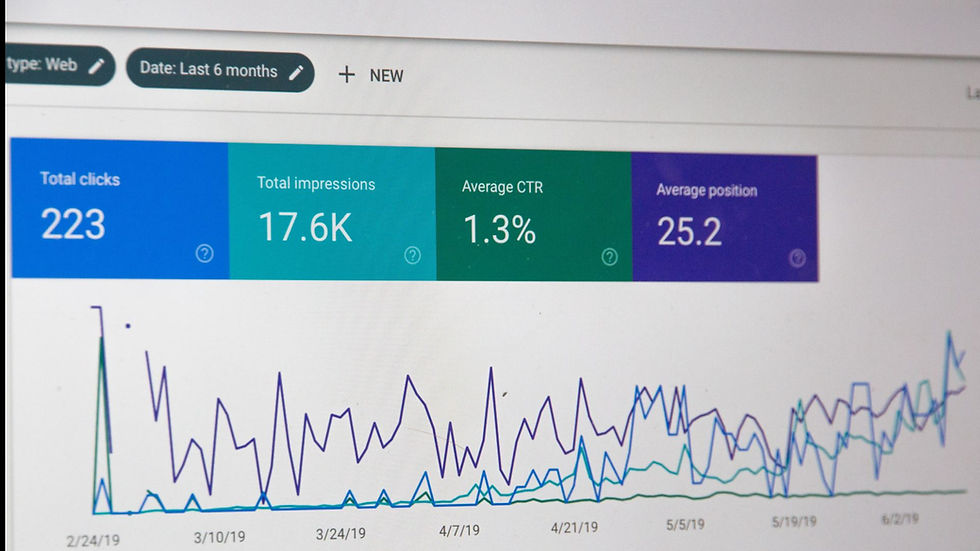
Every successful advertising strategy ends with thorough analysis. Once your campaigns wrap up, take the time to review your data closely — not just your top-line numbers, but also the finer details like ad frequency, placement performance, audience overlap, and creative variations. Identify which visuals, offers, and copy formats produced the strongest engagement and which didn’t perform as expected.
By compiling a detailed “holiday campaign report,” you’ll have a powerful foundation for next year’s strategy. These insights can help you make smarter budgeting decisions, refine your messaging, and pinpoint exactly where to focus your efforts for the highest return. The holiday season is an invaluable testing ground; every metric and result contributes to a smarter, stronger approach in the year ahead.
Final Thoughts
Optimizing your ads for holiday success is about far more than festive graphics or catchy slogans, it’s about combining timing, targeting, creative alignment, and continuous optimization into one cohesive strategy. The brands that thrive during the holidays are those that plan early, adapt quickly, and stay relentlessly customer-focused.
By using data to guide decisions, delivering seamless user experiences, and crafting emotionally resonant campaigns, your brand can stand out in one of the busiest advertising landscapes of the year, not only driving sales but also building loyalty that extends well beyond the holiday season.


Comments